

Buying a horse at a sale moves fast. The auctioneer’s chant, the crowd, and the pressure of a rising bid can push even experienced buyers into decisions they later regret. A clear checklist keeps your head level and your budget safe. This guide walks you through exactly what to inspect, ask, and verify before you raise your hand at any South Dakota ranch horse sale.
At Larson Ranch LLC, we have raised, trained, and sold working horses on the prairie for generations. What follows is the same practical approach we use ourselves.
Why South Dakota Is a Strong Place to Buy Ranch Horses
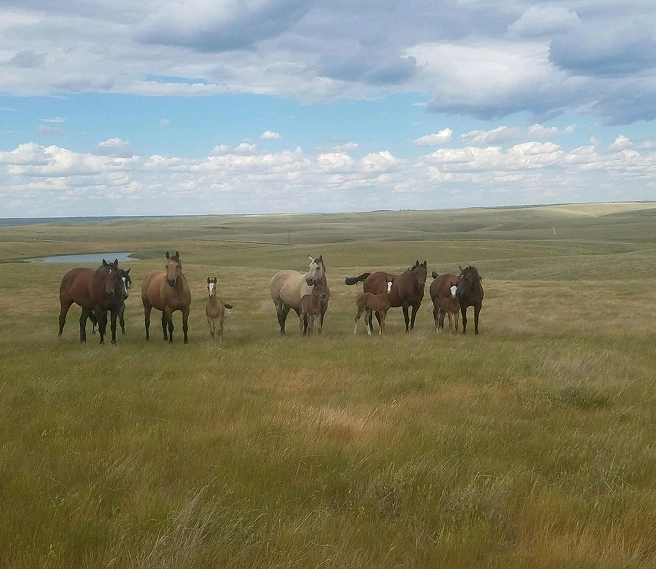
South Dakota’s rolling grassland, rough draws, and long working days produce horses with real foundation. Horses raised here learn to handle rocky ground, changing weather, and cattle work early in life. If you are weighing the region’s advantages, our article on why South Dakota is ideal for cattle and horse ranching explains what makes this country special.
1. Local Horses Are Raised for Real Work
A horse that has gathered cattle across the White River region has seen terrain, gates, creeks, and livestock that an arena horse may never face. Buyers in Mellette County, Todd County, and surrounding areas often prefer local horses because they are already adapted to the climate, elevation, and feed.
2. Buying Close to Home Reduces Risk
Hauling a horse across several states adds stress and the chance of illness. A South Dakota horse moving to a nearby ranch usually adjusts faster and stays healthier.
Before the Sale: Preparation Checklist
Good buying starts days before the sale barn doors open. Do this homework first.
- Define the job: gathering, sorting, roping, trail riding, or family use
- Set a firm maximum bid, including hauling, vet, and feed costs
- Request the sale catalog and read every listing
- Arrive early to watch horses move and handle
- Bring a trusted horseman or veterinarian if possible
If you want a deeper look at breeds and temperaments before you go, read our guide on ranch horses for sale in South Dakota: breeds, traits, and what to look for.
The Physical Evaluation: Head to Hoof
A horse’s body tells you how long it will stay sound and useful. Take your time here and never skip a step because the lot number is coming up.
1. Conformation Basics
Look at the horse from the front, side, and rear while it stands square on level ground. Good conformation supports soundness, and soundness protects your investment.
- Straight legs with no obvious toe-in or toe-out
- Short, strong back and well-sprung ribs
- Deep heart girth for stamina
- Clean, well-shaped hooves with healthy frogs
- Balanced neck, withers, and hip
2. Signs of Lameness or Injury
Watch the horse walk and trot on a straight line, then on a turn. Head bobbing, short strides, or uneven hoofbeats are warning signs. Feel the legs for heat, swelling, or old scars around the knees and hocks. Check the eyes for cloudiness or discharge, and listen for any heavy breathing or cough.
3. Age, Teeth, and Body Condition
Teeth help confirm age, and age influences both price and remaining working years. A horse in good flesh with a shiny coat usually has had proper care. Extreme thinness or a rough coat can point to parasites, dental trouble, or neglect.
Temperament and Training: What You Cannot See From the Bleachers
Looks are only half of the story. A pretty horse with poor manners can become an expensive mistake.
1. Ask About Handling and Experience
Find out who has ridden the horse, what it has been used for, and how it behaves around cattle, trailers, and new surroundings. Ask whether the horse ties quietly, loads easily, and stands for the farrier. Sellers who know their horses answer these questions without hesitation.
2. Watch the Horse Under Pressure
Notice how the horse reacts to noise, crowds, and the sale ring. A horse that stays calm in a loud barn will likely keep its head in a pen of cows. Tension, pinned ears, and constant spooking are red flags.
Quick Reference: Horse Evaluation Table
Use this table at the sale barn to score each horse you like.
| Area | What to Look For | Red Flag |
|---|---|---|
| Legs and Feet | Straight, clean, even wear | Swelling, heat, uneven hooves |
| Movement | Smooth, even stride | Head bob, short steps |
| Temperament | Calm, curious, responsive | Pinned ears, constant spooking |
| Health | Bright eyes, shiny coat | Cough, discharge, poor flesh |
| Training | Reliable on cattle and trailers | Vague or missing history |
| Papers and Records | Registration, vaccines, Coggins | No documentation |
Paperwork and Health Records
Never bid on a horse without understanding its paperwork. Verify registration if the horse is papered, confirm a current negative Coggins test, and ask about vaccinations, deworming, and any past injuries or surgeries. Interstate movement may also require a health certificate, so plan ahead if you are buying for a ranch outside South Dakota.
Bidding Strategy at a Horse Sale
Even the best horse is a bad deal if you overpay. Sale day psychology matters as much as horse knowledge.
- Decide your top number before the horse enters the ring
- Do not chase a bid out of pride or excitement
- Watch other experienced buyers for clues about a horse’s reputation
- Be ready to walk away if the price passes your limit
- Confirm payment, pickup, and transport terms before you bid
Many of the same principles apply to livestock auctions in general. Our breakdown of how South Dakota cattle auctions work and how to win offers useful insight into sale-day strategy.
After the Sale: First 30 Days
Your work does not end when the hammer falls. Quarantine the new horse for a few days if you have other animals, and schedule a veterinary check. Introduce your horse to its new pasture and routine gradually, then ride it in a controlled setting before taking it into serious work. Patience in the first month builds trust and reveals any hidden issues.
Why Buyers Choose Larson Ranch LLC
When you buy from a working ranch, you get transparency. We know our horses’ bloodlines, training, and temperament because we raised and rode them ourselves. If you would rather skip the sale-barn gamble, explore the Larson Ranch horse program to see how we develop dependable ranch horses, and browse our horses gallery for a look at what we raise.
Frequently Asked Questions
1. What should I check first when evaluating a horse at a sale?
Start with soundness. Watch the horse walk and trot, then inspect legs, feet, and eyes. A sound horse is the foundation for everything else.
2. How much should I budget for a ranch horse in South Dakota?
Prices vary widely based on age, training, and bloodlines. Plan for the purchase price plus hauling, a vet exam, feed, and basic tack so there are no surprises.
3. Is it worth bringing a veterinarian to the sale?
Yes, whenever possible. A vet can spot problems you might miss, especially with a higher-priced horse, and the cost is small compared to a bad purchase.
4. What paperwork should come with the horse?
Ask for registration papers if applicable, a current Coggins test, vaccination records, and any medical history. Interstate buyers may also need a health certificate.
5. Should I buy a horse that has never worked cattle?
Only if you are prepared to train it. For immediate ranch use, choose a horse with proven cattle experience and a steady mind.
6. How can I avoid overbidding?
Set your maximum before the sale, include extra costs in that number, and stick to it no matter how the bidding feels.
Contact Us
Ready to find a dependable ranch horse or learn more about our program? Reach out to the Larson Ranch LLC team today, or visit our contact page to connect with us.
Larson Ranch LLC
Phone: 605-842-0260