

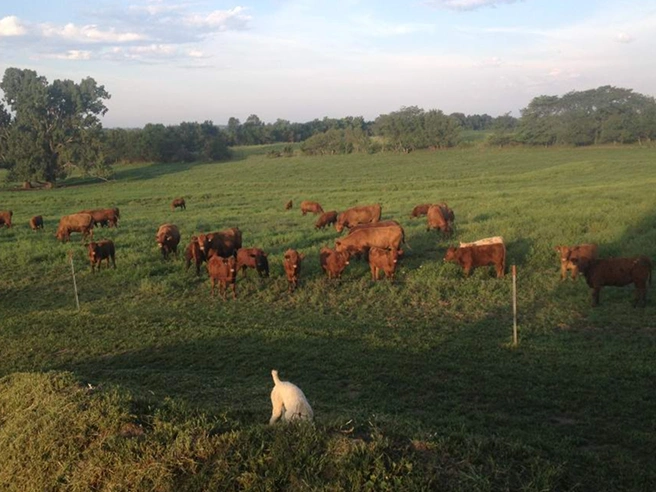
South Dakota has long stood as one of the most active cattle-trading regions in the country, and the sale barns scattered across the state, from the Missouri River valley to the rolling plains near the White River, remain the heartbeat of the local livestock economy. Whether you’re a first-time buyer or a seasoned rancher looking to expand your herd, understanding how a South Dakota cattle auction actually runs can be the difference between walking away with a solid investment and overpaying for cattle that don’t fit your operation.
How a South Dakota Cattle Auction Works?
Cattle auctions in South Dakota generally follow a familiar rhythm, though the pace and scale can vary by sale barn and season. Cattle are trucked in the day before or the morning of the sale, sorted into pens by weight, breed, and condition, then run through the ring one lot at a time. An auctioneer calls the bidding while a ring man works the crowd, and buyers signal bids with a nod, a raised hand, or a subtle gesture they’ve used for years.
Prices are driven by live weight, frame size, flesh condition, and how uniform a group of cattle looks. Bred heifers, pairs, and feeder calves each sell differently, and the order of the sale is usually posted in advance so buyers can plan which lots matter most to them.
Preparing Before You Walk Into the Sale Barn
Buyers who do their homework before sale day consistently walk away with better deals. A little preparation goes a long way toward avoiding impulse bids and buyer’s remorse:
- Review the sale catalog or online listing ahead of time to identify lots worth your attention
- Arrive early to walk the pens and physically inspect cattle for soundness, temperament, and condition
- Set a firm price ceiling for each lot before bidding starts
- Check vaccination and health records when available
- Confirm hauling and transport arrangements before you bid, not after
- Talk to the sale barn staff or field representatives if you have questions about a specific consignment
What Drives Prices at a South Dakota Cattle Sale?
Several factors move the market on any given sale day, and understanding them helps buyers separate a fair price from an inflated one.
| Factor | Impact on Price |
|---|---|
| Weight and frame size | Heavier, well-framed cattle typically bring higher totals but lower price per pound |
| Breed and genetics | Recognized bloodlines and known consignors often command premiums |
| Health and vaccination history | Documented protocols reduce buyer risk and support stronger bids |
| Uniformity of the group | Even, matched lots sell better than mixed groups |
| Seasonal demand | Spring and fall sales tend to see the heaviest buyer turnout |
| Weather and drought conditions | Regional dry spells can push more cattle to market, softening prices |
Bidding Strategy: How to Win Without Overpaying
Winning at auction isn’t about outbidding everyone in the room, it’s about knowing your numbers and sticking to them. Experienced buyers watch the first few lots sell before jumping in, using them to gauge where the market is trending that day. They also avoid bidding wars driven by emotion, since a lot that “got away” is rarely worth chasing past its real value. Building a relationship with the sale barn and other regular buyers can also pay off over time, since reputation and trust often translate into better information and occasional first looks at quality consignments before they hit the ring.
Why Buyers Choose South Dakota Cattle Auctions?
South Dakota’s ranching heritage, wide-open grazing country, and strong network of sale barns make it a destination for buyers well beyond the state’s borders. Auctions here move large volumes of quality cattle, and the competitive but community-driven atmosphere tends to keep pricing fair for both buyers and sellers. For anyone building or expanding a herd, South Dakota cattle auctions offer access to well-raised, regionally adapted cattle that perform well in the state’s climate and terrain.
Working with Larson Ranch LLC:
At Larson Ranch LLC, we’ve spent years buying, raising, and selling cattle across South Dakota, and we understand what it takes to succeed at the sale barn. Whether you’re sourcing bred heifers, building a commercial herd, or simply want guidance before your next auction, our team is happy to share what we’ve learned from decades in the business. We also work directly with buyers interested in cattle ranches, ranch horses, and hunting properties throughout the state.
Frequently Asked Questions
1. What is the best time of year to attend a cattle auction in South Dakota?
Spring and fall are typically the busiest and most competitive sale periods, though weekly sales run year-round at most South Dakota sale barns.
2. Do I need to register before bidding at a cattle auction?
Yes, most sale barns require buyers to register and provide a valid form of ID or brand inspection paperwork before bidding.
3. How is payment handled after winning a bid?
Payment is generally due the day of the sale, and most sale barns accept cash, check, or wire transfer for larger purchases.
4. Can I inspect cattle before the auction begins?
Yes, buyers are encouraged to arrive early and walk the pens to check condition, soundness, and temperament before bidding starts.
5. Are health records available for cattle sold at auction?
Many consignors provide vaccination and health history, though it’s always worth asking the sale barn staff directly if records aren’t posted with the lot.
6. What should first-time buyers know before attending a South Dakota cattle auction?
Set a budget in advance, watch a few lots sell before bidding, and don’t be afraid to ask sale barn staff questions, most are happy to help newcomers understand the process.
Contact Us
If you’re preparing for a South Dakota cattle auction or looking for quality cattle, ranch land, or expert guidance, reach out to Larson Ranch LLC today.
Phone: 605-842-0260