

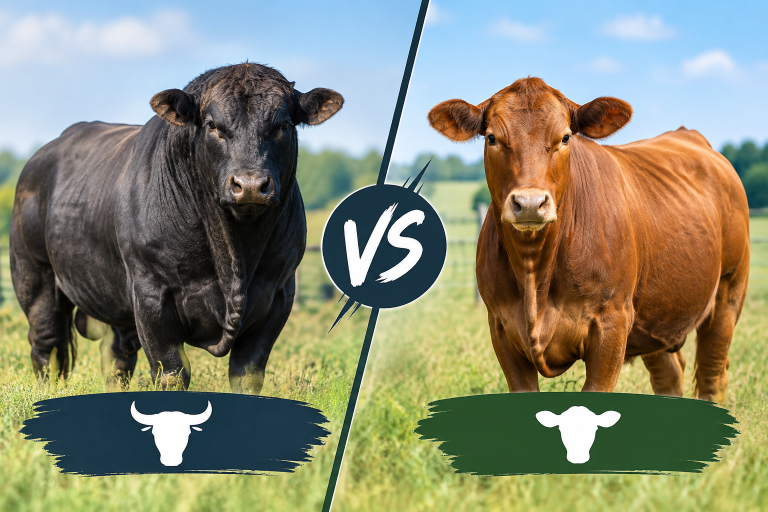
South Dakota ranchers face this decision every buying season: should the next addition to the herd be a bull or a bred heifer? Both play a different role in building a productive, profitable cattle operation, and the right choice depends on your herd goals, current genetics, and how quickly you want to see returns. At Larson Ranch LLC, we’ve spent generations raising and selling quality cattle in the White River region, and we know firsthand how much this decision shapes a herd’s future.
Understanding Your Herd’s Current Needs
Before comparing a bull vs. bred heifer, take stock of where your herd stands. Are you expanding your cow count, replacing aging cows, or trying to improve the genetic quality of your calf crop? Ranchers focused on rapid herd growth often lean toward bred heifers, since they add both a mature female and a calf on the way in one purchase. Ranchers looking to upgrade bloodlines or improve calving ease across an entire herd tend to prioritize a new herd sire. Reviewing your cattle catalog options against your breeding calendar is a useful first step before committing to either path.
The Case for Adding a Bull
A herd bull is a long-term investment in genetics. One good sire can influence calf quality, growth rates, and carcass traits across dozens of calves every year for several breeding seasons. This makes bull selection one of the highest-leverage decisions a rancher makes. When shopping for a sire, ranchers should evaluate expected progeny differences (EPDs), structural soundness, disposition, and how well the animal complements the existing cow herd’s weaknesses.
Why Bulls Matter for Long-Term Genetics?
Because a single bull can sire calves out of an entire cow herd, his genetic contribution compounds year over year. A poor selection can introduce calving difficulties or slow growth across an entire calf crop, while a strong sire can noticeably raise weaning weights and marketability. Ranchers serious about improving herd quality should treat sire selection with the same care they’d give any major equipment purchase. Our guide on bull sales in South Dakota walks through the traits worth prioritizing.
The Case for a Bred Heifer
A bred heifer offers something a bull cannot: immediate herd expansion. When you purchase a bred heifer, you’re buying a future cow and her first calf in a single transaction. This makes bred heifers attractive to ranchers who want to grow cow numbers quickly without waiting an extra breeding cycle. Guaranteed-bred heifers, verified through pregnancy checks and known breeding dates, remove much of the uncertainty from the purchase and give buyers a reliable calving window to plan around.
What Makes a Quality Bred Heifer?
Not all bred heifers are equal. Frame size, pelvic measurements, body condition, and the genetics of the bull she was bred to all affect how smoothly her first calving season goes. Buyers should also confirm vaccination history and breeding verification before finalizing a purchase.
Bull vs. Bred Heifer: A Side-by-Side Comparison
| Factor | Bull | Bred Heifer |
|---|---|---|
| Primary role | Sire, genetic improvement | Herd expansion, future cow |
| Return timeline | Multiple breeding seasons | Calf within months |
| Upfront cost | Typically higher | Moderate, varies by verification |
| Herd impact | Influences many calves per season | Adds one cow-calf pair |
| Best for | Improving genetics herd-wide | Growing cow numbers quickly |
Key Differences at a Glance
- A bull is a genetic investment that pays off across many calves over several years, while a bred heifer delivers a single calf and a new cow in the near term.
- Bulls require more careful health and structural screening since one animal breeds an entire herd.
- Bred heifers carry more immediate risk around calving, especially with first-calf heifers.
- Bull purchases are typically less frequent; bred heifer purchases often happen in groups to build cow numbers faster.
- Both should be sourced from operations with transparent health records and honest representation of genetics.
What South Dakota Ranchers Should Weigh Before Buying?
Ranching in the White River region comes with its own considerations — grazing capacity, calving season weather, and access to reliable auction markets all factor into whether a bull or bred heifer makes more sense right now. Buyers new to the area should also read our overview on buying cattle in South Dakota for tips specific to first-time ranch buyers, and how South Dakota cattle auctions operate if you’re planning to bid rather than buy direct. Ultimately, the bull vs. bred heifer decision comes down to timeline: bulls build genetic quality over years, while bred heifers build cow numbers in months.
Larson Ranch’s Approach to Quality Cattle
At Larson Ranch LLC, every animal we sell reflects generations of careful breeding and honest representation. Our premium cattle program includes both proven bulls and guaranteed-bred heifers, so ranchers across South Dakota and beyond can find the right fit for their operation. Located in the heart of the White River region, our ranch location makes us accessible to buyers throughout the region looking for dependable genetics and straightforward transactions.
Frequently Asked Questions
Q1. Should a new rancher start with a bull or a bred heifer?
Most new ranchers start with bred heifers, since they provide an immediate cow-calf pair and don’t require the same level of genetic and structural evaluation a bull purchase demands.
Q2. How many cows can one bull service in a season?
A mature, sound bull can typically breed 25 to 35 cows in a single breeding season, depending on terrain and herd management.
Q3. What does “guaranteed bred” mean when buying a heifer?
It means the seller has confirmed pregnancy through a veterinary check and can provide a verified breeding or due date, reducing the buyer’s risk.
Q4. How long does a bull remain productive in a herd?
A healthy bull can typically serve a herd for four to six breeding seasons before fertility or structural soundness declines.
Q5. Is it better to buy cattle at auction or directly from a ranch?
Both have advantages; direct ranch purchases often come with more transparency on health history and genetics, while auctions can offer competitive pricing and broader selection.
Q6. What health records should I ask for before buying either a bull or a bred heifer?
Request vaccination history, breeding soundness exam results for bulls, and pregnancy verification and due dates for bred heifers.
Contact Us
Ready to add proven genetics or a guaranteed-bred heifer to your herd? Reach out to Larson Ranch LLC to discuss current availability.
Phone: 605-842-0260