

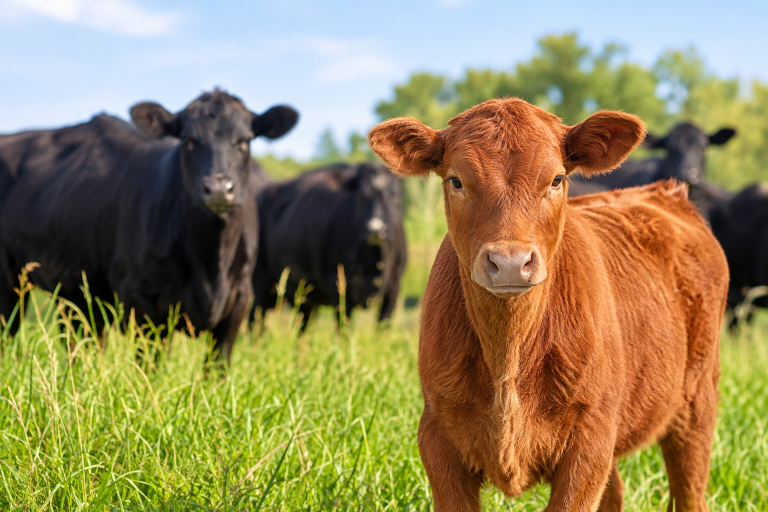
A replacement heifer is a young female cow kept back from the sale pen to join the breeding herd. She is the future of your operation. Every cattle producer in South Dakota eventually faces the same question: which females should stay, and which should go? The answer shapes calf crops, cash flow, and herd quality for the next decade.
At Larson Ranch LLC, we raise cattle on the rolling grasslands of the White River region, and we have seen how smart replacement decisions separate profitable herds from struggling ones. This guide explains what a replacement heifer is, how to choose one, and why she matters so much to your bottom line.
Understanding the Replacement Heifer
What Does “Replacement Heifer” Mean?
A replacement heifer is a female bovine that has not yet had a calf and is selected to replace an older cow leaving the herd. Cows leave for many reasons, including age, poor fertility, bad udders, structural problems, or temperament issues. Without a steady stream of quality replacements, a herd shrinks or declines in performance.
Replacement Heifers vs. Other Female Cattle
Producers often confuse the terms used in the cattle trade. Here is a quick comparison:
| Female Type | Definition | Primary Purpose |
|---|---|---|
| Replacement Heifer | Young female kept for breeding, not yet bred or newly bred | Future cow herd |
| Open Heifer | Not pregnant, of breeding age | Breeding at your timing |
| Bred Heifer | Confirmed pregnant with her first calf | Immediate calf production |
| Mature Cow | Has had one or more calves | Ongoing calf production |
If you want a deeper look at the pregnancy-status options, read our guide on bred heifers vs. open heifers and why the difference matters.
Why Replacement Heifers Matter to Your Herd
1. They Drive Genetic Progress
Every heifer you keep carries half of her genetics into the next generation. Selecting daughters from your best cows, paired with the right sire, lets you improve milk production, calving ease, growth, and fertility year after year. Poor selection does the opposite and locks problems into your herd for years.
2. They Protect Your Herd Numbers and Income
Most ranches replace roughly 10 to 20 percent of their cow herd each year. A strong replacement program keeps your calf crop steady and your revenue predictable. Skipping or mismanaging this step creates gaps that are expensive to fill later.
3. They Affect Long-Term Profitability
A heifer that calves early, rebreeds on time, and stays productive for many years pays for herself several times over. A heifer that misses a breeding season or struggles at calving costs you feed, labor, and lost calf income.
What to Look for in a Quality Replacement Heifer
Key Traits to Evaluate
Not every heifer deserves a spot in your herd. Look for these qualities:
- Age and weight: Heifers born early in the calving season and weaned heavy tend to reach puberty sooner.
- Structural soundness: Strong feet, legs, and a good top line support longevity on rangeland.
- Disposition: Calm, easy-handling females are safer and more productive.
- Maternal lineage: Daughters of proven, regular-calving cows are the best bets.
- Udder and teat quality: Good udder structure prevents problems at calving.
- Frame size and body condition: Moderate-framed cattle are generally more efficient on native grass.
Health and Records Matter
Ask for vaccination history, breeding records, and pedigree information before you commit. Good records show you what you are really buying.
Raise Your Own or Buy Replacements?
1. Raising Heifers In-House
Keeping your own heifers gives you control over genetics and a known health history. The downside is that you give up the sale value of those heifers and must feed and manage them for 15 to 24 months before they produce a calf.
2. Buying Replacement Heifers
Purchasing allows you to bring in fresh genetics and fill herd gaps quickly. It also lets you skip the development stage, which saves feed, pasture, and labor. For many operations, buying proven replacements is the smarter move. If you are new to the process, our tips for first-time ranch buyers will help you avoid common mistakes.
Quick Comparison
| Factor | Raising Your Own | Buying Replacements |
|---|---|---|
| Upfront Cost | Lower cash outlay | Higher purchase price |
| Time to First Calf | Longer | Shorter, especially with bred heifers |
| Genetic Control | High | Depends on seller |
| Herd Health Risk | Low | Moderate, verify records |
| Labor and Feed | Higher | Lower |
Developing Heifers for Success
1. Nutrition and Growth Targets
Heifers should reach about 60 to 65 percent of their mature weight by breeding time. Underfed heifers cycle late and struggle to rebreed, while overfed heifers can develop fat-related fertility and udder issues. A balanced ration and quality South Dakota grass go a long way.
2. Breeding and Calving Management
First-calf heifers need extra attention. Choosing the right sire matters here, since calving ease is critical. See our advice on how to pick the right sire for your herd to protect both heifer and calf.
Why South Dakota Is a Strong Place to Raise Replacements?
The grasslands, climate, and ranching heritage here produce hardy, adaptable cattle. Heifers raised on native range tend to thrive in the conditions most producers face.
Replacement Heifer Selection and Herd Performance
Smart selection is one of the most effective tools you have for improving your herd. Even small improvements in fertility and maternal ability compound over time.
Where to Find Quality Replacement Heifers in South Dakota
Larson Ranch LLC offers carefully selected cattle raised in the White River region of South Dakota. Whether you are building a new herd or refreshing an existing one, we can help you find females that fit your goals, your land, and your budget. Browse our cattle catalog to see what is available.
Frequently Asked Questions
1. What age should a replacement heifer be bred?
Most heifers are bred at around 14 to 15 months of age, provided they have reached the target weight of roughly 60 to 65 percent of mature body weight.
2. How many replacement heifers should I keep each year?
A common range is 10 to 20 percent of your cow herd, depending on culling rates, herd age, and expansion plans.
3. Is it better to buy bred heifers or open heifers?
Bred heifers offer faster returns because calves arrive sooner. Open heifers give you control over breeding timing and sire selection.
4. How do I know a heifer is healthy before buying?
Request vaccination records, pregnancy confirmation, and a health history. A visual inspection of structure, body condition, and udder development is also important.
5. What does “guaranteed bred” mean?
It means the seller guarantees the heifer is confirmed pregnant at sale.
6. Can I buy replacement heifers at an auction?
Yes, but preparation matters. Learn what to know before buying cattle at a South Dakota auction so you can bid with confidence.
Contact Us
Ready to add quality replacement heifers to your South Dakota operation? Larson Ranch LLC is here to help.
Larson Ranch LLC
- Phone: 605-842-0260