

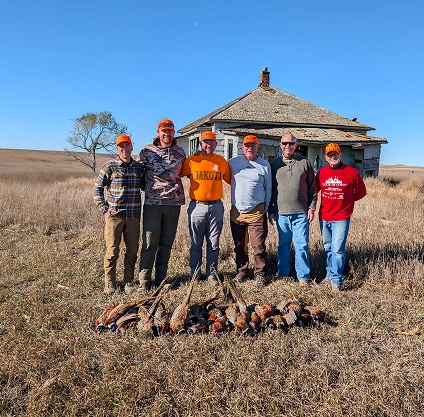
The White River region of south-central South Dakota has quietly become one of the most sought-after landscapes in the Northern Plains for people chasing two very different goals: owning working ranch land and finding world-class hunting ground. Stretching through Tripp, Lyman, and Mellette counties near towns like Hamill, Presho, and Winner, this stretch of prairie and river breaks offers a rare combination of grazing capacity, water access, and native wildlife habitat that’s becoming harder to find elsewhere in the country.
What Makes the White River Region Unique?
The White River carves through a mix of rolling grassland, cedar-draw breaks, and bottomland that creates natural diversity most ranches simply don’t have. That diversity is exactly why the region works so well for dual-purpose land — ground that runs cattle efficiently while also holding deer, turkey, and upland birds in the same square mile. Buyers looking at South Dakota ranch land for sale in this corridor often note that the terrain does double duty, generating income from livestock while adding recreational and hunting lease value on the same acres, a balance explored further in why the White River Hills make South Dakota a premier hunting destination.
Why Ranch Buyers Are Paying Attention?
South Dakota ranch land continues to draw interest from buyers in states where land prices have climbed far beyond what row-crop or cattle operations can reasonably support. The White River region offers lower per-acre costs relative to grazing capacity, particularly on mixed-grass units with reliable stock water. For operations built around cow-calf pairs or yearling grazing, the combination of native range and river-bottom hay ground reduces the need for supplemental feed through much of the year — a factor covered in more depth in the real cost of owning cattle ranches in South Dakota no one talks about.
What buyers typically look for in this region:
- Reliable year-round water access from the river, creeks, or developed wells
- A mix of native range and tillable or hay ground for flexibility
- Existing cross-fencing and corral infrastructure
- Reasonable distance to livestock markets and veterinary services
- Documented carrying capacity (AUMs) for financing and planning purposes
The Hunting Draw of the White River Breaks:
Hunters know this country for a different reason. The river breaks and cedar draws create natural travel corridors and bedding cover for whitetail and mule deer, while the mix of grassland and grain ground nearby supports strong turkey and pheasant numbers, as seen firsthand during a spring turkey hunt at Larson Ranch. Properties with river frontage or access to the breaks tend to hold game more consistently than flat, open pasture alone, which is part of why hunting-minded buyers are willing to compete for the same tracts that ranch operators want — a point covered in why the White River region is a hunter’s paradise.
Ranching and Hunting on the Same Ground
What sets the White River region apart from many other South Dakota land markets is how naturally ranching and hunting coexist on it. A well-managed cattle operation with rotational grazing tends to improve habitat rather than compete with it — rested pastures grow up into better bedding and nesting cover, and river-bottom timber left standing continues to funnel deer movement. This is one of the reasons South Dakota ranch land in this corridor holds value even when cattle markets soften, since the recreational component provides a second layer of demand.
| Feature | Value to Ranch Buyers | Value to Hunters |
|---|---|---|
| River frontage & bottomland | Stock water, hay ground | Deer travel corridors, waterfowl |
| Cedar draws & breaks | Wind shelter for cattle | Bedding cover, turkey roosting |
| Native mixed-grass range | Grazing capacity (AUMs) | Upland bird habitat |
| Proximity to grain ground | Supplemental feed access | Deer and pheasant food source |
What to Consider Before Buying?
Land in this region varies more than it might appear from the road. Two neighboring quarters can differ significantly in grazing capacity depending on grass composition, water development, and how much of the acreage sits in the breaks versus open range. Working with a seller who can speak to actual stocking history, past hunting activity, and water infrastructure saves buyers from guesswork that generic listings often gloss over.
Questions worth asking before making an offer:
- What is the documented carrying capacity, and how was it calculated?
- Is water year-round or dependent on seasonal flow?
- Has the ground been leased for hunting, and what has it produced historically?
- What fencing and corral infrastructure is included?
- Are mineral rights included in the sale?
Why Larson Ranch LLC?
As a fifth-generation operation based in Hamill, right in the heart of the White River region, Larson Ranch LLC understands this ground from decades of working it — not just listing it, a history detailed on the Larson Ranch history page. Whether the interest is a working cattle operation, a recreational hunting property, or land that delivers both, Larson Ranch LLC offers firsthand knowledge of grazing capacity, water access, and game patterns across this stretch of South Dakota ranch land that outside brokers simply can’t match.
Frequently Asked Questions
1. What makes South Dakota ranch land in the White River region different from other parts of the state? The combination of river frontage, cedar-draw breaks, and native grassland gives this corridor both strong grazing capacity and consistent wildlife habitat, which is less common in flatter, more uniform parts of the state.
2. Is the White River region better suited for cattle or hunting?
Both. Most properties in this area support cow-calf or yearling operations while also holding deer, turkey, and upland birds, making dual-purpose ownership realistic rather than a compromise.
3. How is grazing capacity measured on ranch land here?
Capacity is typically expressed in AUMs (Animal Unit Months) based on grass composition, water availability, and historical stocking rates on the specific tract.
4. Are hunting leases or booked hunts common on ranch land in this region?
Yes, many ranch owners in the area supplement income through hunting leases and guided hunts; buyers curious about the experience can review what to look for when booking hunting ranches in South Dakota.
5. What should out-of-state buyers know before purchasing?
Water reliability, actual carrying capacity, and access roads matter more here than raw acreage numbers, since terrain and grass quality vary significantly across the region.
6. How can I learn more about available properties?
Contact Larson Ranch LLC directly to discuss current ground, grazing history, and hunting potential specific to the White River region, or visit the Larson Ranch location page for details on getting there.
Contact Us
For more information on South Dakota ranch land in the White River region, reach out to Larson Ranch LLC at 605-842-0260 to discuss available ground, grazing capacity, and hunting potential firsthand.