

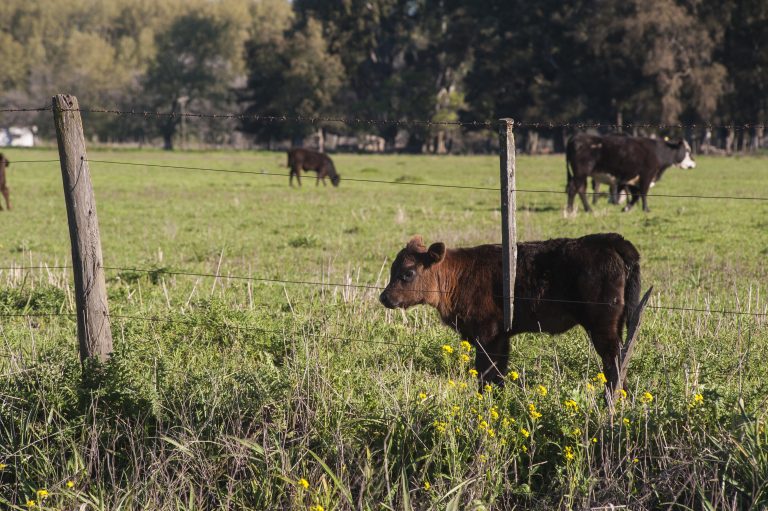
Buying bred heifers is one of the most important investments a cattle producer can make. Whether you are expanding an existing herd or starting fresh, the quality of your heifers shapes the productivity and profitability of your ranch for years to come. South Dakota is home to some of the country’s most respected cattle operations, and with the right knowledge, finding bred heifers for sale in South Dakota that match your needs is entirely achievable. This guide walks you through exactly what to evaluate before you write a check.
Why South Dakota Is a Prime Source for Quality Bred Heifers?
South Dakota’s climate, terrain, and multigenerational ranching culture have shaped cattle genetics over more than a century. The state’s cold winters and wide-open grazing land naturally select for cattle that are hardy, efficient, and easy to manage. Ranches along the White River region have been raising cattle since the early 1900s, building bloodlines proven to perform in the Northern Plains. When you source from established cattle ranches in South Dakota, you are not just buying an animal — you are buying decades of land-specific selection and hands-on management experience.
Confirmed Pregnancy and Breeding Date Records
The first thing to verify when evaluating any bred heifer is confirmed pregnancy. A reputable seller will have current pregnancy checks performed by a licensed veterinarian and be able to provide written documentation. Beyond confirmation, ask for the specific breeding date. Knowing exactly how far along a heifer is allows you to plan calving schedules, allocate labor, and ensure proper nutrition management in the final months of gestation. Any seller unable to provide clear breeding records should raise a red flag.
Structural Soundness: What to Look at Before You Look Away
1. Feet and Legs
A heifer’s ability to travel, graze, and handle breeding activity depends almost entirely on the soundness of her feet and legs. Look for a heifer that walks freely, with no signs of lameness, splayed toes, or overgrown hooves. Straight legs front and rear indicate proper skeletal development that will hold up over a lifetime of production.
2. Body Condition Score
Bred heifers should arrive at their first calving in a body condition score (BCS) of 5 to 6 on a 9-point scale. A heifer that is too thin will struggle to rebreed after calving. One that is too fat risks calving difficulty. When evaluating cattle for sale in South Dakota, always assess BCS in the context of the seller’s current feeding program and how far the heifer still has to go before she calves.
3. Pelvic Area and Udder Development
Pelvic size matters. Narrow pelvic measurements are one of the leading predictors of calving difficulty, particularly in first-calf heifers. Ask sellers whether pelvic measurements were taken during heifer development. Additionally, evaluate udder structure — look for a balanced, well-attached udder with properly sized teats. A poor udder at first calving rarely improves with age.
Genetics and EPDs: Reading the Numbers That Matter
Expected Progeny Differences (EPDs) give you a data-driven window into how a bull’s calves — and by extension, a bred heifer’s calf — are likely to perform. When reviewing sire information, pay particular attention to:
- Birth Weight EPD — Lower values reduce calving difficulty risk, especially important for first-calf heifers
- Weaning Weight EPD — Reflects the calf’s growth potential through the first grazing season
- Milk EPD — Indicates the heifer’s likely ability to nourish her calf effectively
- Maternal Calving Ease EPD — Specifically predicts ease of calving when the heifer herself becomes a dam
Do not skip this step. Genetics drive long-term herd performance, and understanding the sire’s EPDs is one of the clearest ways to project what you are actually buying.
Vaccination and Health History
A solid health program from birth to sale is non-negotiable. Ask for a complete vaccination record and confirm the heifer has been properly immunized against reproductive diseases, including IBR, BVD, PI3, and BRSV. Cattle that have been consistently managed under a herd health protocol are far less likely to introduce disease to your existing operation and will transition to a new environment with fewer setbacks.
Also confirm the heifer has been tested and is free of Persistent Infection (PI) BVD status. A PI animal can devastate reproductive performance across an entire herd.
Disposition and Temperament
This one gets undervalued. A heifer with a difficult temperament creates safety risks, adds stress to the herd, and demands extra handling time at every stage of production. When you visit a ranch to evaluate cattle sales in South Dakota, spend time watching how the heifers behave in the pen and during handling. Animals raised in low-stress environments by experienced cattlemen tend to be calmer, easier to work, and better mothers.
Breed Fit for Your Operation and Region
Not every breed excels in every environment. South Dakota’s winters demand cattle with cold tolerance and efficient forage conversion. Continental and British breeds — and their crosses — have a long track record across the Northern Plains. Consider what your end market looks like as well. If you are selling feeder calves, your buyer’s preferences matter. If you are retaining replacements, maternal traits take priority. Match the breed to your land, your management system, and your market.
Why Buy from an Established South Dakota Ranch?
Purchasing from a ranch with a long operational history gives you something spreadsheets cannot fully capture: reputation. Established operations stand behind their cattle because their name is on every animal they sell. Larson Ranch LLC, located near Hamill in south-central South Dakota, has been producing quality cattle along the White River hills since 1909. With five generations of ranching heritage, the Larson family develops cattle with performance and longevity as the standard — not the exception.
Contact Larson Ranch LLC
If you’re looking for bred heifers for sale in South Dakota or want to learn more about upcoming cattle sales, the team at Larson Ranch LLC is ready to help you find the right animals for your operation. Call us today at 605-842-0260 to learn more about our cattle program, upcoming auction opportunities, and available livestock.