

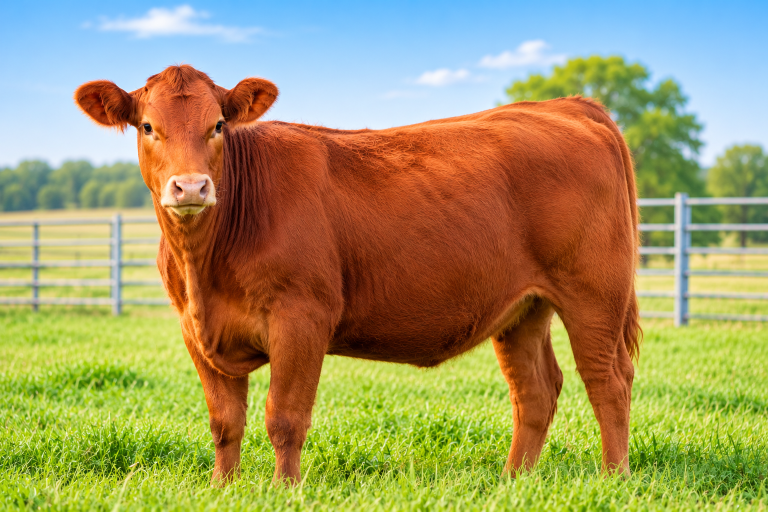
Bringing new females onto your South Dakota ranch is a big step, and the weeks between arrival and the first calf decide a lot. A smooth transition protects your investment, your calf crop, and your time. Whether you run cows in the White River region or on the plains east of the Missouri, the right plan helps you prepare bred heifers for first calving without costly surprises.
Why First-Calf Heifers Need Extra Attention
First-calf heifers are still growing while they carry a calf, so they have higher nutrient needs than mature cows. They also face the highest risk of calving trouble. A little planning in the first 30 days after purchase pays off at calving time.
Start With a Strong Purchase
Preparation begins before the trailer arrives. Heifers with documented breeding dates, calving-ease sires, and sound structure are far easier to manage. If you are still shopping, review what to look for when buying bred heifers in South Dakota so you know which records and traits matter most. It also helps to understand what “guaranteed bred” actually means before you sign anything.
Step 1: Handle Arrival and Transition Stress
Hauling is hard on pregnant heifers. Give them a calm landing and a short adjustment period before you change anything else.
Set Up a Quarantine and Rest Pen
Keep new arrivals separate from your resident herd for two to three weeks. This limits disease exposure and lets you watch each animal closely.
- Provide clean water immediately, with plenty of bunk space
- Offer good-quality grass hay before introducing concentrates
- Minimize handling for the first 48 hours
- Check for lameness, nasal discharge, and poor appetite daily
Work With Your Veterinarian Early
Call your vet within the first week. Ask about pre-calving vaccines, deworming, and mineral programs for your area. Scour vaccines are typically given several weeks before calving, so timing matters. Confirm pregnancy status and expected due dates at the same visit.
Step 2: Build the Right Nutrition Plan
Nutrition is the biggest lever you control. Heifers that calve too thin struggle to recover, rebreed late, and may produce less colostrum.
Target Body Condition Score
Aim for a body condition score of about 6 at calving. Heifers should arrive at roughly 85 percent of their mature weight. Late-gestation energy and protein needs rise sharply, so adjust the ration as calving approaches.
| Stage | Nutrition Focus | Goal |
|---|---|---|
| First 30 days after arrival | Forage, minerals, gradual feed changes | Recover from hauling stress |
| Last 90 days before calving | Higher energy and protein | Maintain growth and fetal development |
| Last 30 days before calving | Steady, consistent feeding | Reach a body condition score of about 6 |
| Early lactation | Increased energy | Support milk and rebreeding |
Don’t Overfeed
It is tempting to push heifers hard, but excess condition can cause fat deposits in the pelvic area and increase calving difficulty. Steady, balanced feeding beats a last-minute grain bump.
Step 3: Plan for Calving Ease
Calving difficulty, known as dystocia, is the most common challenge with first-calf females. You can reduce the odds with smart sire choices and a good setup. If you breed your own heifers in the future, learn how to pick the right sire for your herd with calving ease in mind.
Prepare Your Calving Area
Choose a clean, well-drained pasture or lot close to the house or barn, with good lighting and easy access. Have a working chute or headgate nearby.
Stock Your Calving Kit
- OB chains and handles
- Disposable gloves and lubricant
- Iodine for navels
- Colostrum replacer and an esophageal feeder
- Ear tags, a notebook, and a flashlight
- Your veterinarian’s emergency number
Step 4: Know the Signs of Labor
Learning what normal looks like helps you spot trouble fast. Heifers should be checked every few hours during peak calving, including overnight.
Normal Calving Timeline
| Labor Stage | What You’ll See | Typical Duration |
|---|---|---|
| Stage 1 | Restlessness, isolation, tail raising | 2 to 6 hours |
| Stage 2 | Active straining, water bag and feet appear | 1 to 2 hours |
| Stage 3 | Placenta is passed | 2 to 8 hours after birth |
When to Step In
If a heifer has been actively straining for about an hour with no progress, or you see only one foot, a tail first, or a head without feet, call your vet. Waiting too long risks both calf and dam.
Step 5: Care for the Calf and the New Mother
The first hours after birth set the tone for the calf’s health. Make sure the calf is up and nursing within a couple of hours. Heifers sometimes lack mothering instinct, so patience and a quiet pen help.
1. Colostrum Is Critical
Calves need colostrum soon after birth for immunity. If a calf can’t nurse, use a quality colostrum replacer. Dip navels in iodine, and record birth date, sex, weight, and any assistance given.
2. Plan for Rebreeding
A first-calf heifer must recover while nursing and still rebreed on time. Keep feeding well after calving, and talk with your vet about a breeding plan. Understanding how bred heifers compare with open heifers can help you decide how to build your herd going forward.
3. Budget Wisely for the Season
Feed, vet care, and labor add up quickly. Reading about the real cost of owning cattle in South Dakota can help you plan for costs beyond the purchase price. If you’re new to ranching, these tips for first-time cattle buyers are a good starting point.
Why South Dakota Is a Great Place to Calve Heifers?
South Dakota’s grass, water, and open range suit cattle well, and the state’s ideal ranching conditions support healthy herds. Still, spring weather can swing from sunshine to snow in a day, so windbreaks, dry bedding, and a flexible plan are essential.
Frequently Asked Questions
1. How long before calving should I vaccinate new bred heifers?
Most scour vaccines are given about 3 to 6 weeks before calving, but timing depends on the product and your herd history. Ask your veterinarian for a schedule.
2. Should new heifers be kept separate from my herd?
Yes. Two to three weeks of separation reduces disease risk and lets you observe each animal.
3. What body condition should heifers have at calving?
A body condition score of about 6 is a good target. It supports a smooth calving, good colostrum, and timely rebreeding.
4. How often should I check heifers during calving season?
Check every few hours, including at night. Heifers can progress quickly or stall, and early help saves calves.
5. When should I call a veterinarian during calving?
Call if there’s no progress after about an hour of hard straining, if the calf is presented abnormally, or if the heifer appears exhausted.
6. Can I feed heifers more to make calving easier?
No. Overfeeding can cause excess fat and harder births. Balanced nutrition and a good sire choice work better.
Talk to Larson Ranch LLC
Larson Ranch LLC is based in South Dakota’s White River region and works with buyers who want healthy, well-managed cattle. Browse our cattle catalog or contact our team to learn how to prepare bred heifers for first calving.
Contact Us
Larson Ranch LLC
Phone: 605-842-0260