

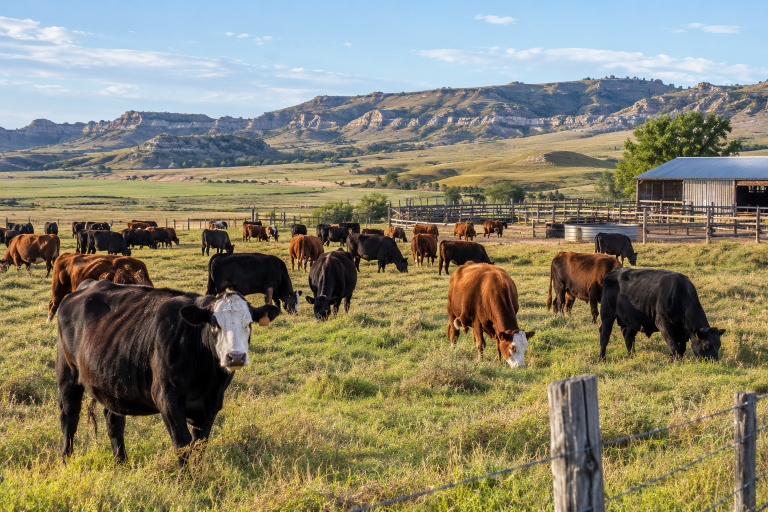
Buying land and cattle in the Mount Vernon and White River region is a big decision, and the first question every buyer asks is what the total price will look like. The honest answer is that the cost of a cattle ranch in South Dakota depends on acreage, grass quality, water access, improvements, and the livestock you put on it. This guide breaks down each cost so you can plan with confidence.
Why South Dakota Attracts Ranch Buyers?
South Dakota offers rolling grassland, reliable water sources, and a ranching culture built over generations. Buyers from Arizona, Colorado, Kansas, Arkansas, and Louisiana look here because the land supports strong cattle and horse operations at prices that often compare well with other Western states.
1. Strong Grass and Livestock Conditions
Native prairie grass, a workable climate, and open range make this state a natural fit for beef production.
2. The White River Region Advantage
Central South Dakota, especially the White River area, draws both ranch buyers and outdoor enthusiasts.
Land Costs: The Biggest Line Item
Land is usually the largest expense. Price per acre swings based on location, carrying capacity, fencing, and nearby infrastructure. Pasture-heavy western ground generally costs less per acre than cropland in the east, but it also supports fewer animals per acre.
1. Typical Price Ranges
The figures below are general planning estimates. Actual prices change with the market, so always confirm with a local professional.
| Land Type | Estimated Cost Per Acre | Best Use |
|---|---|---|
| Native rangeland | $1,500 – $3,500 | Cow-calf operations |
| Improved pasture | $3,000 – $5,000 | Higher stocking rates |
| Mixed crop and pasture | $4,000 – $7,000 | Hay, feed, and grazing |
| Premium river-bottom land | $5,000 – $9,000+ | Hay production and wintering |
2. What Drives Property Value
Water, fencing, road access, winter shelter, and recreation potential all push prices up or down. Our guide on what makes South Dakota farm and ranch properties valuable explains these factors in detail.
Improvements and Infrastructure
Raw land is only part of the story. Many properties need work before they are ready for a working herd, and these upgrades can add up fast.
Common Improvement Costs
- Perimeter and cross fencing
- Stock tanks, wells, and water lines
- Corrals, chutes, and working facilities
- Barns, hay storage, and equipment sheds
- Road maintenance and gates
Comparing Properties Wisely
Two ranches with the same price tag can have very different long-term costs. Use this checklist when you compare cattle ranches for sale in South Dakota to avoid surprises after closing.
Cattle Costs: Stocking Your Ranch
Once you own the land, you need animals. Your herd size should match your grass capacity, and your starting stock sets the tone for future performance.
1. Bred Heifers vs. Open Heifers
Bred heifers cost more upfront but can give you calves sooner. Understand the trade-off in bred heifers vs. open heifers and why the difference matters, and check what “guaranteed bred” actually means before you buy.
2. Bulls and Genetics
A good sire improves calf quality for years.
| Livestock | Estimated Cost Per Head | Notes |
|---|---|---|
| Open heifer | $2,000 – $3,000 | Lower upfront cost |
| Bred heifer | $3,000 – $4,500 | Calves sooner |
| Cow-calf pair | $3,500 – $5,000 | Immediate production |
| Quality bull | $5,000 – $12,000+ | Long-term genetics |
Where to Buy Cattle?
Private treaty sales and auctions are the two main options. New buyers should read buying cattle in South Dakota: tips for first-time ranch buyers. If you plan to bid, what to know before buying cattle at a South Dakota auction will help you avoid costly mistakes.
Ongoing Annual Operating Costs
After the purchase, expect yearly expenses that continue as long as you own the operation.
Typical Yearly Expenses
- Feed, hay, and mineral supplements
- Veterinary care and vaccinations
- Property taxes and insurance
- Fuel, equipment repairs, and labor
- Marketing and sale costs
Ways to Protect Your Investment
Careful animal selection lowers vet bills and raises calf weights. See how proper cattle selection can improve herd performance for practical guidance.
Extra Income: Hunting and Recreation
Many South Dakota ranches earn additional revenue from hunting leases and outdoor recreation. This income can offset operating costs and improve overall returns.
Work With a Trusted South Dakota Ranch Partner:
At Larson Ranch LLC, we help buyers understand real costs, find quality livestock, and make smart decisions in the White River region. Browse our cattle catalog or learn more about us to see how we can support your ranching plans.
Frequently Asked Questions
1. How much does a cattle ranch cost in South Dakota?
Prices range widely. Small pasture properties may start in the high six figures, while large, well-improved ranches can reach several million dollars. Land type, acreage, water, and improvements all affect the final number.
2. What is the average price per acre for ranchland?
Native rangeland often falls between $1,500 and $3,500 per acre, while improved or river-bottom ground costs more.
3. How many cattle can one acre support?
Stocking rates vary with rainfall and grass quality. In western South Dakota, a cow-calf pair may need many acres per year, so match your herd to your carrying capacity.
4. Should I buy bred heifers or open heifers?
Bred heifers produce calves sooner, while open heifers cost less upfront. Your budget and timeline should guide the choice.
5. Can I earn income from hunting on my ranch?
Yes. Many landowners lease hunting rights or run guided hunts. Review what to look for when booking hunting ranches in South Dakota to understand how buyers evaluate these properties.
6. Do hidden costs matter when buying a ranch?
Absolutely. Fencing, water systems, taxes, and repairs can add up quickly, so budget beyond the purchase price.
Contact Us
Ready to talk about ranch costs, cattle, or land in South Dakota? Reach out today.
Larson Ranch LLC
Phone: 605-842-0260
Contact Us