

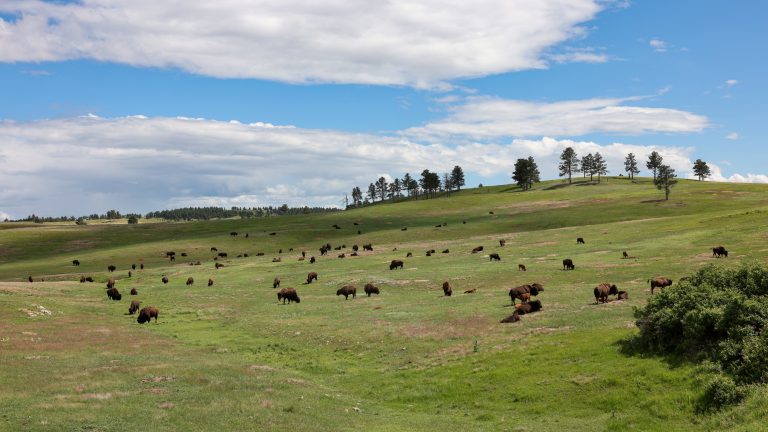
South Dakota cattle producers know that a single sire decision can shape a herd’s genetics for a decade or more. Whether you’re running commercial cows on the prairie near Hamill or managing a registered herd elsewhere in the state, choosing the right bull at a bull sale in South Dakota is one of the most consequential investments a rancher makes each year. Larson Ranch LLC, a fifth-generation cattle and hunting operation based in Hamill, South Dakota, understands this decision firsthand. Selecting a sire isn’t just about pedigree on paper; it’s about matching genetics to your land, your climate, and your long-term breeding goals.
Why Sire Selection Matters So Much?
A bull contributes roughly half the genetics to every calf he sires, and over multiple breeding seasons, his influence compounds across an entire herd. Poor structural soundness, weak maternal traits, or mismatched calving ease can quietly erode profitability for years before the problem becomes obvious. Strong sire selection, by contrast, builds consistency into a herd: calves that finish well, cows that breed back reliably, and replacement heifers that improve generation after generation.
South Dakota’s environment adds another layer to this decision. Harsh winters, variable forage quality, and open range conditions mean bulls need more than impressive EPDs (Expected Progeny Differences); they need the hardiness to thrive in working ranch conditions, not just a show ring.
What to Evaluate at Bull Sales in South Dakota?
When evaluating bulls at a sale barn or private treaty offering, structure and data should both factor into the decision. Visual soundness, particularly feet, legs, and overall frame, indicates whether a bull will hold up to years of breeding work on rough terrain. EPDs offer a numerical lens into expected calving ease, weaning weight, yearling weight, and maternal traits, allowing buyers to compare bulls objectively rather than relying on appearance alone.
Temperament deserves attention too. A bull that’s difficult to handle creates safety risks and stress that ripple through an entire operation. Buyers attending bull sales in South Dakota should also consider the seller’s reputation, health protocols, and willingness to stand behind their genetics after the sale.
Some additional factors worth weighing:
- Calving ease scores, especially for producers breeding heifers
- Disposition and handling history reported by the seller
- Breeding soundness exam (BSE) results and fertility testing
- Adaptability to range conditions versus confinement feeding
- Genetic consistency across the bull’s existing offspring, if available
Matching Genetics to Your Herd Goals:
Not every operation needs the same kind of bull. A commercial cow-calf producer focused on feeder calf weight may prioritize growth traits, while a rancher building a registered herd might weigh maternal and carcass data more heavily. Larson Ranch LLC’s approach reflects generations of practical experience, as seen across the ranch’s premium cattle program: genetics should serve the herd’s purpose, not just chase trends in the show circuit.
The table below outlines how different producer goals typically influence sire selection priorities.
| Producer Goal | Primary Traits to Prioritize |
|---|---|
| Commercial feeder calves | Growth, weaning weight, feed efficiency |
| Replacement heifer development | Calving ease, maternal traits, fertility |
| Registered seedstock breeding | Pedigree depth, carcass data, structural correctness |
| Range-based operations | Hardiness, foot soundness, adaptability to forage |
The Role of Regional Adaptation
Bulls raised and developed in South Dakota’s climate often transition more smoothly into working herds across the region than animals shipped in from drastically different environments. A bull accustomed to South Dakota winters, native grasses, and open-range movement tends to maintain condition better and breeds with less stress during his first season. This regional adaptation is part of why many producers prefer sourcing sires from established South Dakota ranches, such as those found in the cattle catalog at Larson Ranch, rather than out-of-state operations unfamiliar with local conditions.
Timing Your Purchase Around Bull Sales in South Dakota
Most bull sales in South Dakota cluster in late winter and early spring, ahead of the breeding season. Buying early gives a bull time to acclimate to a new herd, establish dominance order, and recover from transport stress before he’s expected to perform. Producers who wait until just before turnout often find fewer quality options remaining and less time to evaluate fit.
Frequently Asked Questions
Q1. What should I look for first when attending bull sales in South Dakota?
Start with structural soundness and EPDs relevant to your herd’s goals, then confirm fertility through a breeding soundness exam.
Q2. How many cows can one bull typically service in a season?
A mature, healthy bull can generally cover 25 to 35 cows in a single breeding season, though this varies with terrain and herd management.
Q3. Is it better to buy a bull from a local South Dakota ranch?
Many producers find that locally raised bulls adapt faster to regional climate and forage conditions, reducing transition stress.
Q3. What age should a bull be at his first breeding season?
Most bulls are ready for limited breeding duty around 14 to 16 months, provided they pass a breeding soundness exam.
Q4. How important are EPDs compared to visual appraisal?
Both matter. EPDs provide objective genetic predictions, while visual appraisal confirms structural soundness that data alone can’t capture.
Q5. Should I quarantine a newly purchased bull before introducing him to my herd?
Yes, a short quarantine period allows time to monitor health and confirm he’s free of illness before mixing with the existing herd.
Why Choose Larson Ranch LLC
Larson Ranch LLC brings five generations of hands-on cattle and land management experience to every animal raised on the operation. Located in Hamill, South Dakota, the ranch understands the realities of breeding cattle for working range conditions, not just paperwork pedigrees. For producers searching for dependable genetics suited to South Dakota’s landscape, Larson Ranch LLC offers bulls developed with the same practical standards the ranch has relied on for generations.
Contact Us
Ready to learn more about available bulls or upcoming sale dates? Reach out to Larson Ranch LLC directly.
Contact Info Phone: 605-842-0260